
Sub-Adult Husbandry
I highly recommend Greg Maxwell’s The More Complete Chondro for anybody interested in green tree pythons, especially for those interested in purchasing a green tree python. This husbandry page is not in-depth and primarily outlines how I house and care for my sub-adult chondros and what works for me. If you have more specific questions, please feel free to contact me directly.
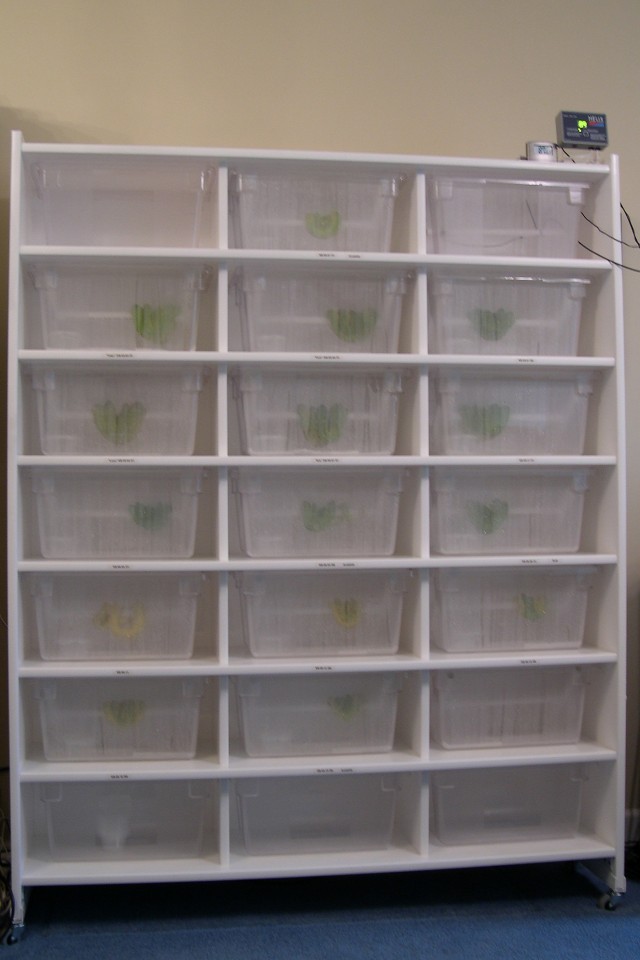
Sub-adult rack and tubs
I maintain my yearlings in Rubbermaid polycarbonate 5gallon or 12-quart Rubbermaid “Clear Impressions” containers until they are large enough to be moved into adult sized display cages. These containers are housed in a Habitat Systems rack.
Temperatures
The cages in the rack are regulated by a Helix thermostat using heat tape built into the rack levels. I maintain body temperatures tested via a temp gun of 83-85F (28.3-28.9C) usually by setting my thermostat to maintain an ambient temperature of around 85F (28.9C). Your thermostat setting may need to be different to hit their ideal daytime temperatures. Offering a temp drop of several degrees at night is okay.
Perches
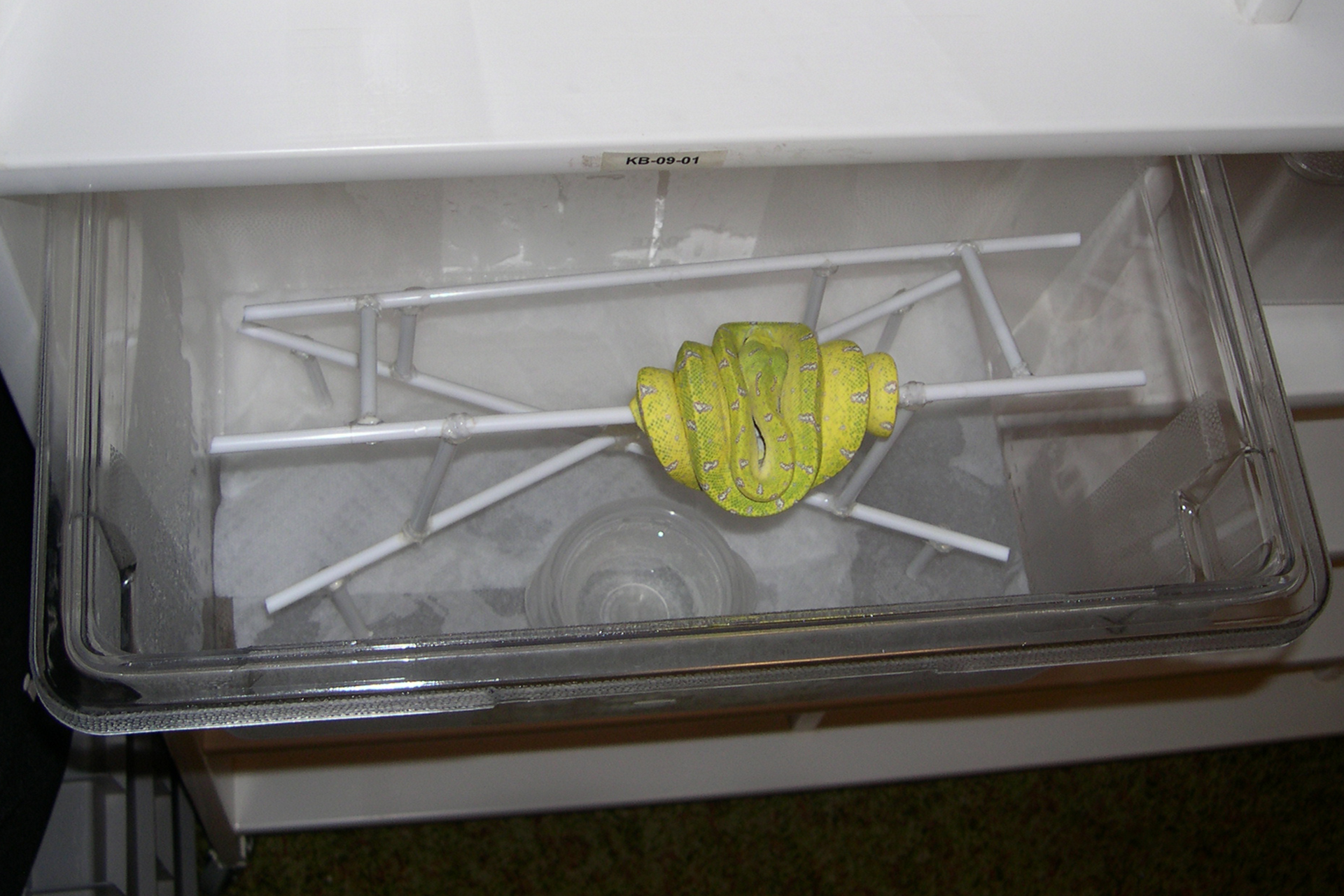
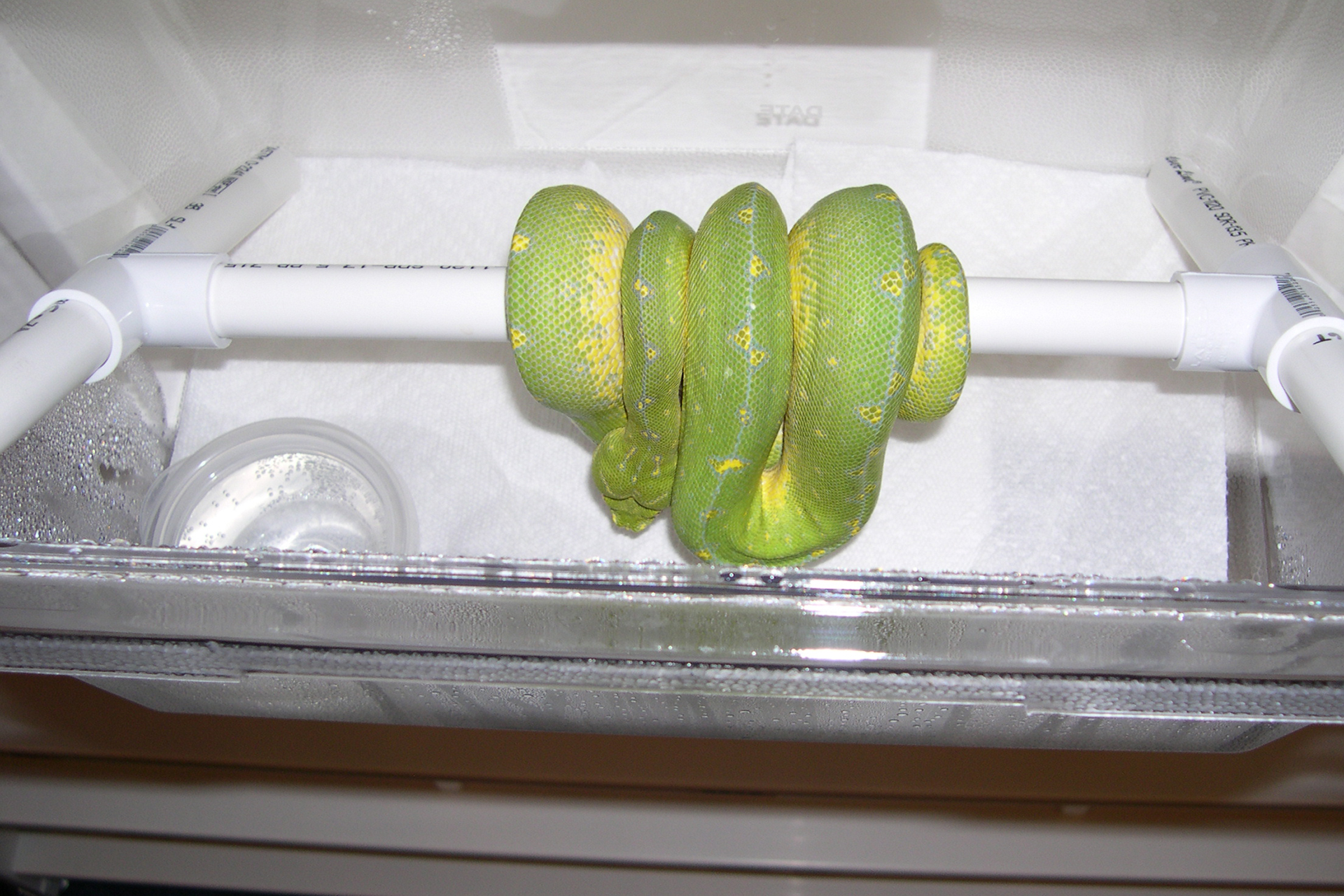
The perches that I use in these cages vary from plastic coat hangers to 1/4″ PVC pipes. The size of the perches I use is determined by the girth of the particular snake. The general recommendation for perch diameter is to go no larger than the diameter of the thickest part of the snake’s body, but I tend to err on the smaller side.
Substrate
I choose to use substrate with this age but I know some choose not to due to the snake’s striking the cage floor and wrapping the substrate. I have had this happen a few times and I have never actually had a snake ingest their substrate but this is something to be vigilant about. For this reason, people choose to keep their younger chondros in non-substrate set-ups but I have difficulty maintaining humidity, and defecation removal is much more difficult. I usually keep my sub-adults on a paper towel substrate in their rack cages.
Humidity
I do not keep my sub-adults as humid as I do my neonates unless they are in shed. I allow their cages to dry out completely every 48 hours or so unless they are in shed. Snakes are provided a water bowl and in my set up I find I do not need to spray younger chondros directly even when in shed. I pour water into rack cages to dampen substrate and avoid using sprayers until they are in adult-sized cages because it can really upset my younger snakes.
Shedding
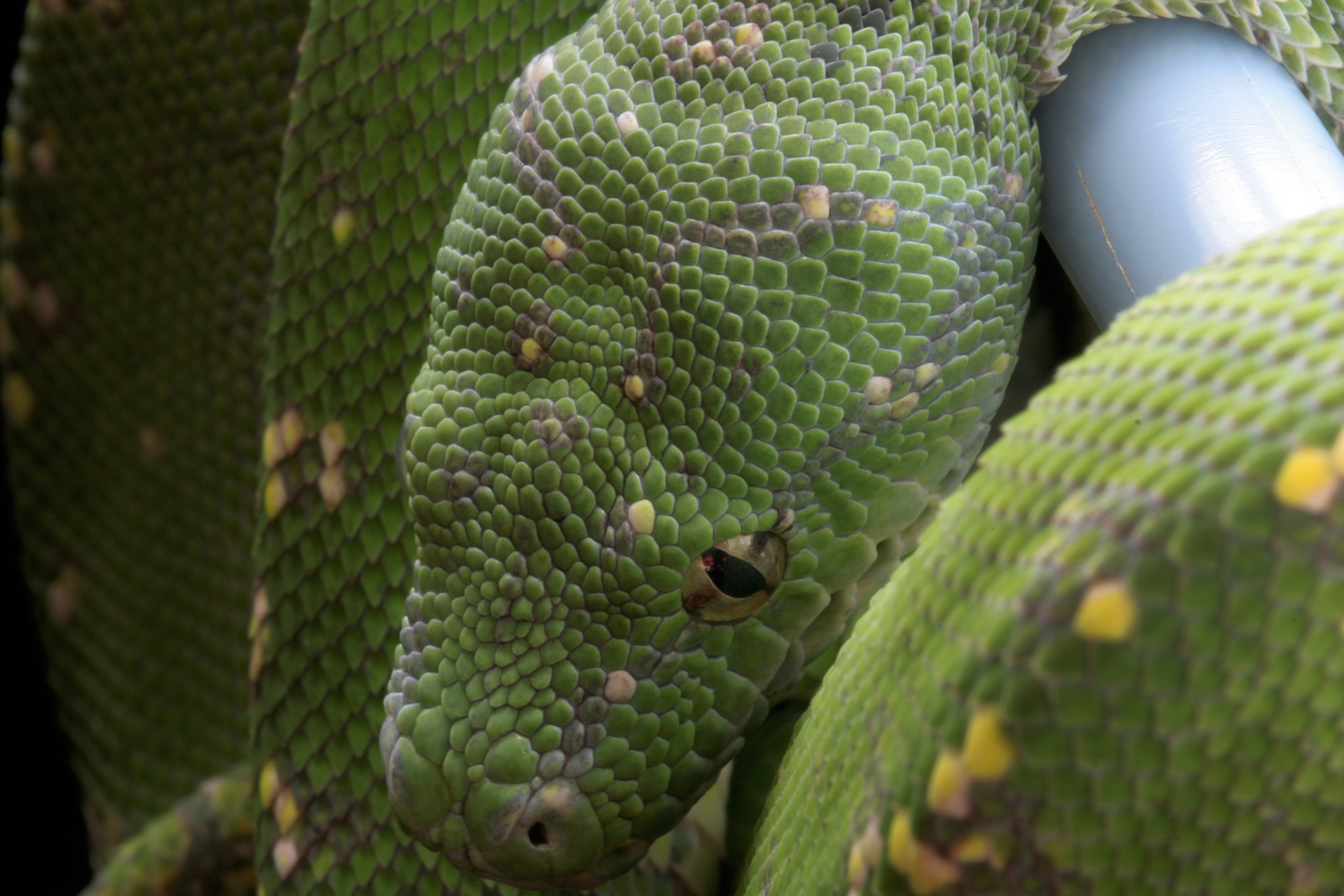
On average, my yearlings and sub-adults shed every 3-4 months. It is usually easier to see if they are in shed as they get a bit older. The milky eyes, dull bluish color, and lower activity lever are signs that they have gone into shed. This will last about a week before shedding occurs. The bluish color will clear up just before they shed. While neonates will usually accept food while in shed, yearlings can become a little pickier and refuse food when deep in shed.
Feeding
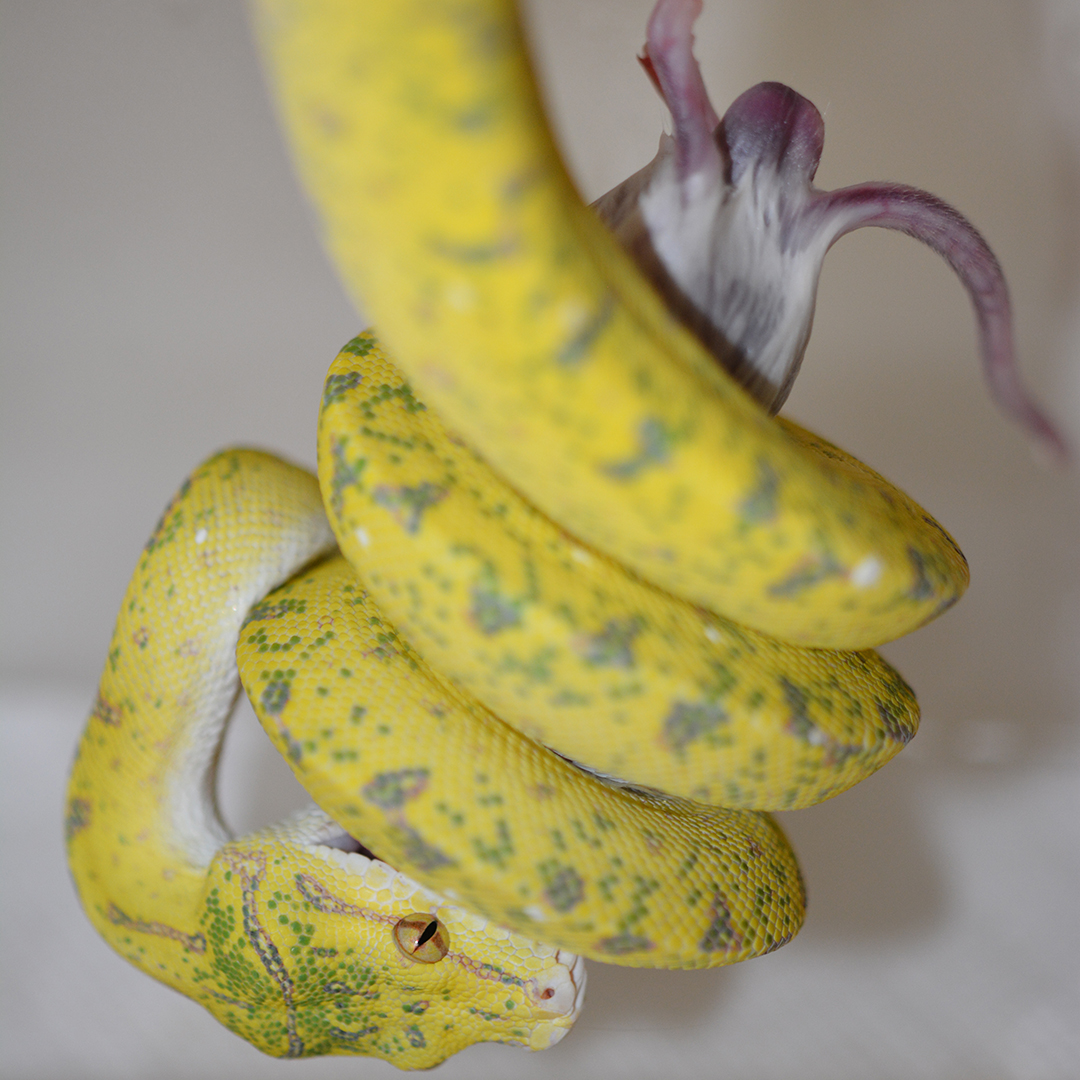
At a year of age, my chondros are usually around 100 grams and are eating small adult mice. I feed yearlings and sub-adults every 7-10 days. Yearlings should be fed less frequently than neonates.
Males will sometimes go off food as a yearling, but in my experience this is rare and would make me suspect something might be wrong. I would watch the snake closely for any signs of illness. Male food strikes are more likely to start at 2-3 years old.
Defecation and Cleaning
Like adults, sub-adult chondros do not defecate after each meal. Defecations schedule varies greatly with size and frequency of meals but usually occur ever 1-3 weeks. I use regular dish soap and water to clean the cages and water bowls frequently. I avoid the uses of harsh chemicals like bleach or ammonia unless I am disinfecting the cage for a new snake.
Handling
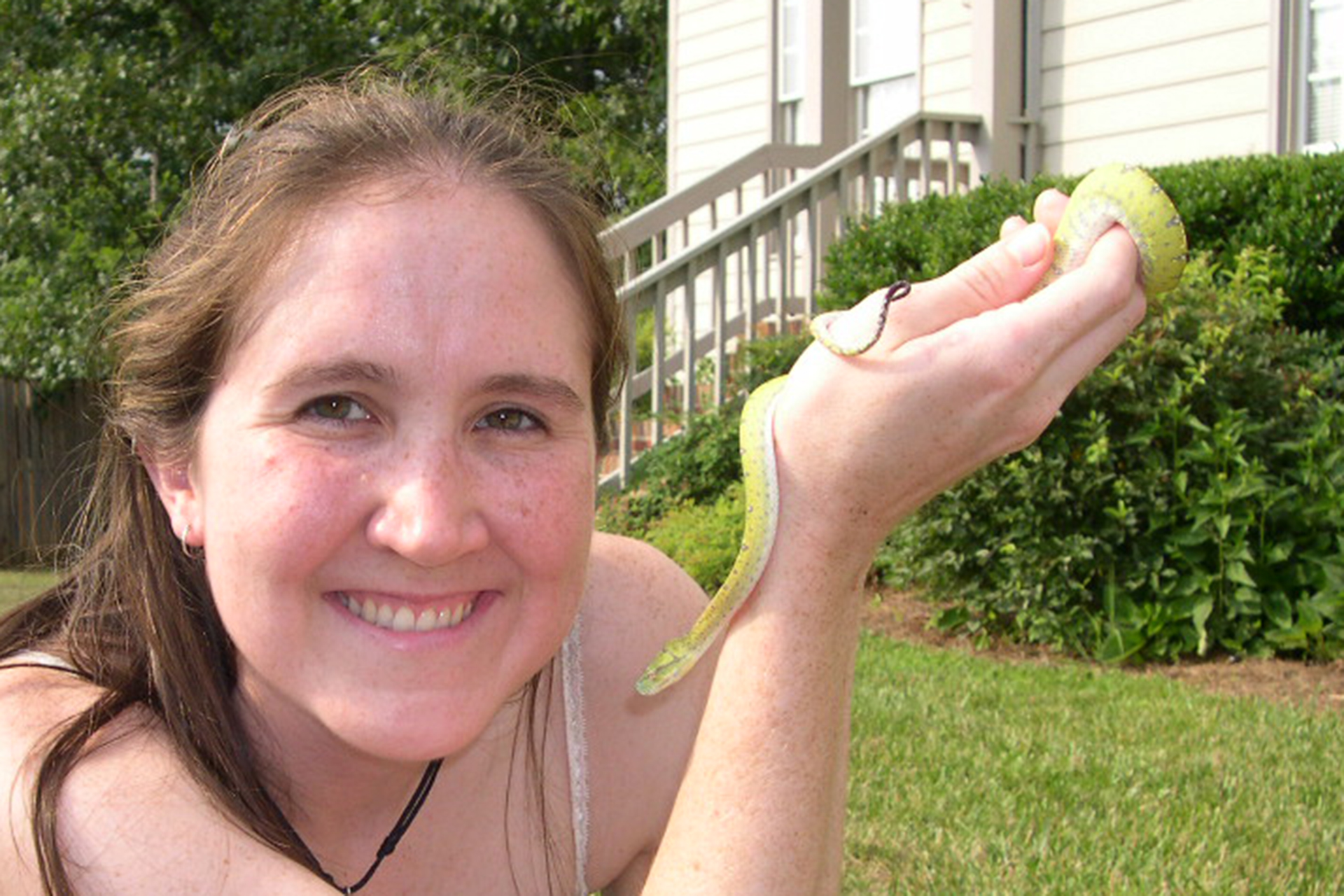
Yearlings and older chondros are usually large enough to begin handling gently. As with any age chondro, be very careful of their fragile tails. Gently tease their tails off the perch and do not pull them off. If your young chondro seems uneasy with being handled, start by removing its perch during the day and gently rest its body in the palm of your hand while the snake continues to perch. Some chondros never come around to being handled but many will allow you to handle them gently during the day.
Upsizing Cages
Depending on their size, yearling chondros can stay in my sub-adult rack tubs until 2-2.5 years old. When a sub-adult chondro outgrows my rack cages and they are ready for an adult cage (36” x 24” x 24”), I will help this transition by placing their rack cage open inside the adult-sized cage with small perches that encourage them to explore their new cage. They sometimes use their old cage to rest in during the day for a little while but they usually adapt to their new, larger cage quickly and perch up high. I remove their old cage when they no longer show interest in using it. Usually by the time they outgrow a rack cage they are solid feeders and outgoing enough to adjust to a display-type cage quickly. I may leave the cage light off for a while, usually until they take their first meal in the new cage.
Final Note
Owning one of these beautiful snakes really is a special blessing. They are interactive characters that are a joy to just sit and watch. They deserve the best care possible from their keeper. It is important to know a vet in your area that can help you but you should also educate yourself in case your vet does not have much hands-on experience specifically with chondros. Chondros are sensitive animals and can stress easily and come down quickly with an illness so spend time learning what is normal for your snake. Take the time to set your chondros up properly with the right equipment and you should have many years of enjoyment with your chondros. Yes, I said chondros plural because you can’t have just one!